
What's the Best Way to Dispose of Dog Waste?
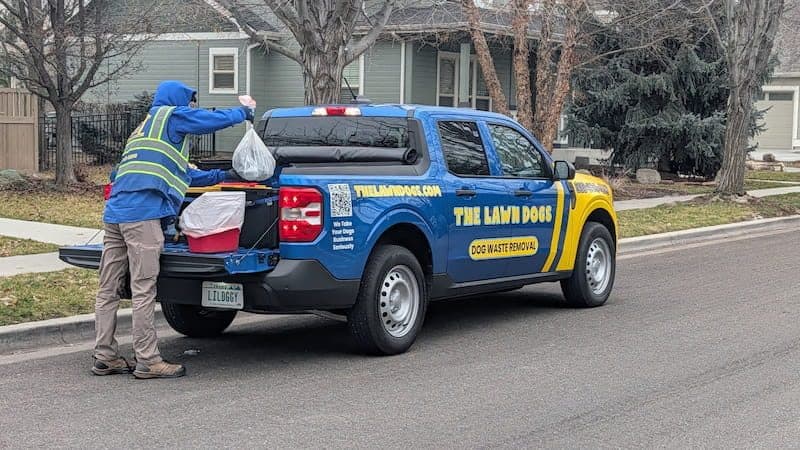
Get it off the property the same day it's collected, not bagged and left sitting in a bin for days. That's the only method that avoids the smell problem and the tracking-indoors problem, and it's why our crews haul every yard's waste away themselves instead of leaving it in a client's trash can.
When it comes to managing dog waste in your yard, the conversation usually stops at the scoop. But if you have ever picked up after your dog, tied off a bag, and dropped it into your outdoor trash can on a hot summer afternoon in the Treasure Valley, you already know the real problem: what happens next?
Between Treasure Valley summer heat and trash pickup schedules that might be five days away, an outdoor trash bin quickly turns into an incubator. The smell cooks, flies gather, and opening the lid becomes a breath-holding exercise for the entire household.
Here is the unvarnished look at how pet waste disposal actually works, what happens after it leaves your lawn, and why hauling it away is the cleanest solution for your property.
Where Does It Actually Go?
There is no magical portal for dog waste. Whether an owner picks it up or a service handles it, pet waste belongs in municipal solid waste systems, not in storm drains, compost piles, or left to disintegrate into local groundwater. The EPA classified pet waste as a nonpoint-source pollutant back in 1991, the same category as oil and herbicide runoff, which is exactly why it doesn't belong washing toward a storm drain or sitting in a compost pile.
Our disposal route follows a strict, sealed chain of custody:
- Scoop and seal. As the yard is cleared during our full-yard grid walk, waste is collected directly into commercial bags.
- Double-bagged protection. Every bag is sealed and double-bagged before it goes into the service vehicle to ensure zero leaks or tears during transport.
- Dedicated commercial staging. At the end of every route, all collected waste is transferred directly into a rented commercial dumpster located at an approved facility.
- Municipal transfer. The municipal waste management fleet empties our dumpster multiple times per week, loading it into transfer trucks headed directly to the landfill.
The end destination is the exact same regulated landfill your home trash reaches. The difference is that it never sits baking next to your garage door first.
Why We Stopped Using Client Trash Cans
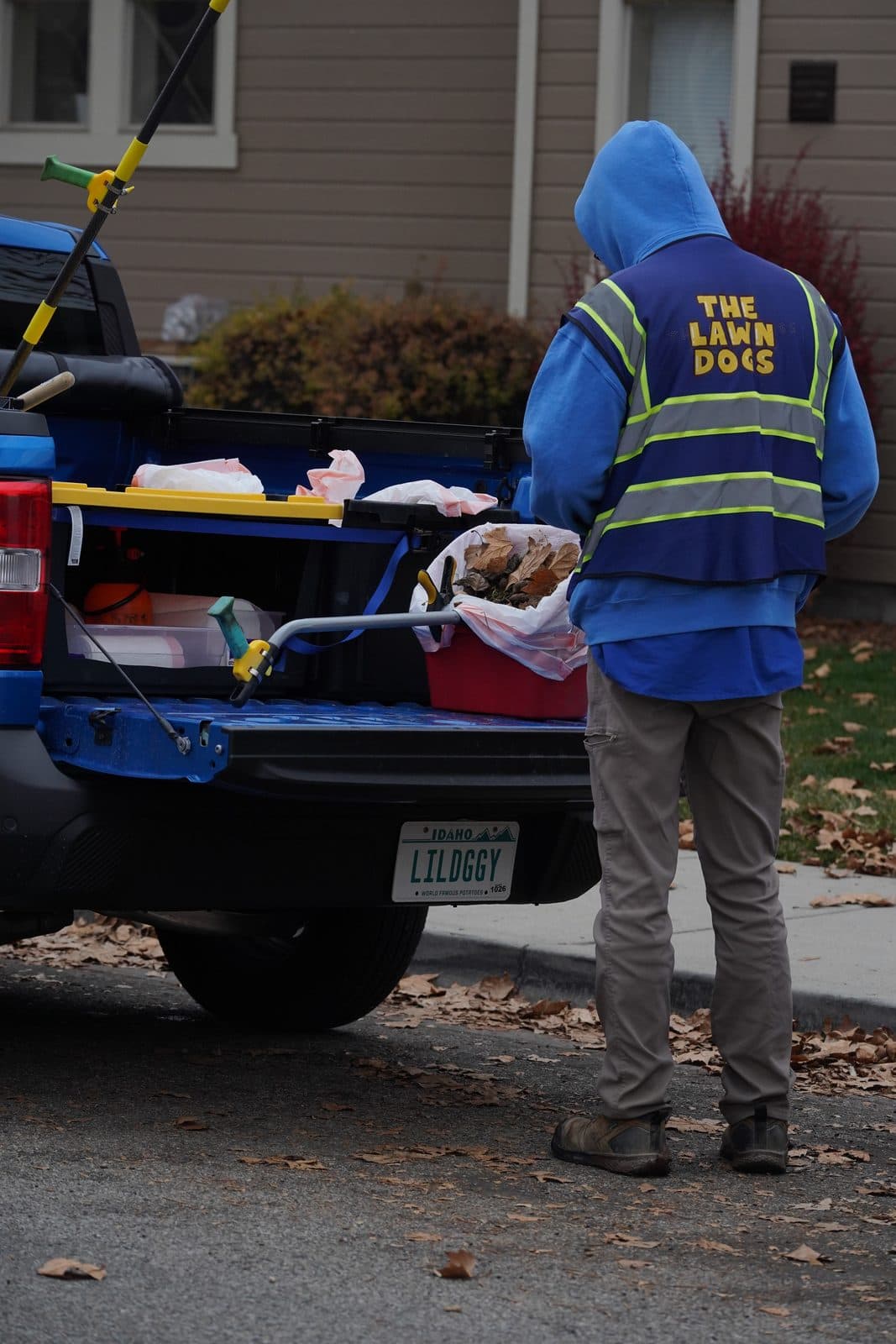
When we first started scooping yards, we followed the industry-standard route: scoop the lawn, tie off the bag, and drop it into the client's curb bin.
It did not take long to see why that model fails clients. If your yard gets scooped on a Thursday and your municipal trash pickup isn't until Tuesday, that waste sits in an enclosed plastic can under the Idaho sun for five straight days. The stench permeates the container, attracts swarms of flies, and creates an unpleasant hazard every time someone steps into the garage or walks past the side yard.
We made an intentional operational decision: we take the waste with us every single visit.
We don't leave bags sitting by your back gate, and we don't load down your domestic trash can. You shouldn't have to smell the problem you paid someone to eliminate.
The Indoor Trade-Off: Protecting Your Floors and Furniture
The disposal question isn't just about what sits in your trash can; it is about what never makes it inside your home.
When dog waste sits in the yard for weeks, the local ecosystem takes notice. Larger beetles, flies, and bugs move in to feed. That insect activity quickly attracts rodents looking for a meal, which in turn draws larger predators like snakes toward the perimeter of your house.
Meanwhile, an uncollected lawn is an obstacle course. Even when piles seem dry, every footstep, whether from kids playing tag or dogs chasing a ball, breaks down the waste into microscopic particles. Those particles cling to shoe treads and paw pads, creating a direct commute indoors onto your tile, hardwood floors, rugs, and living room couches.
Regular, scheduled removal breaks that cycle before the waste gets trampled, tracked indoors, or given a chance to summon the local pest chain.
Clean Yards, Simple Standards
We don't believe pet waste removal should involve complicated tiers, surprise add-ons, or extra disposal fees tacked onto an invoice. Hauling the waste away isn't an optional upgrade. It is a fundamental part of doing the job right.
By combining an intentional, full-yard grid walk with complete off-site disposal, your lawn stays green and usable, your home stays clean, and your trash bins stay odor-free all summer long.
Your dog said to hire us. Join the Route for weekly service, first four weeks risk free.
Sources
The EPA pollutant classification above isn't a guess: